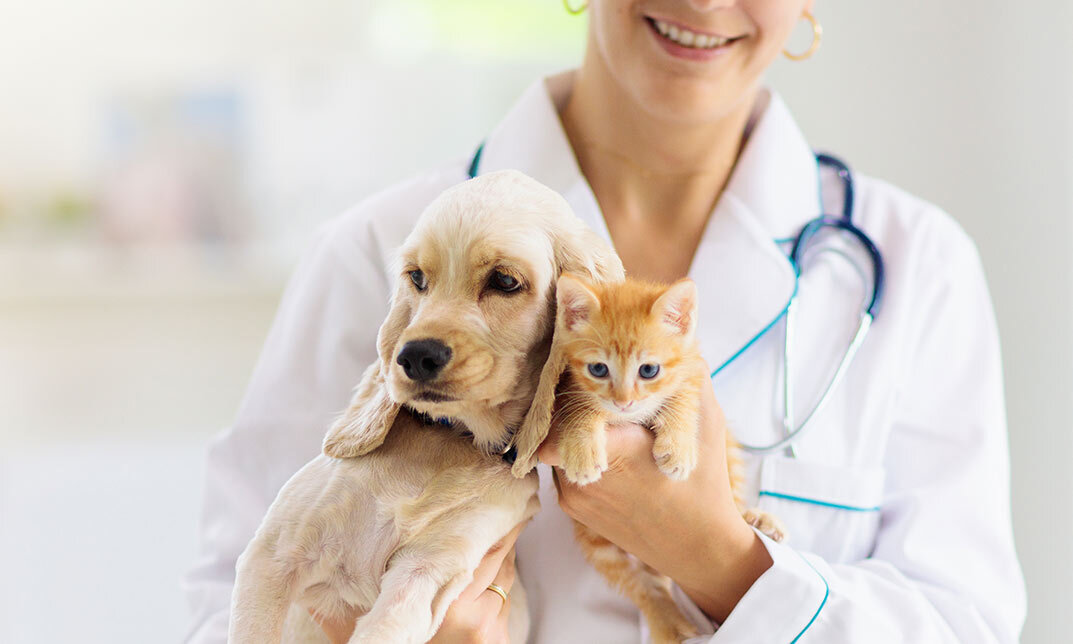
In Manitoba, animal welfare work often happens quietly. Small rescue groups, foster networks, and veterinary partners step in every day to help animals that are injured, abandoned, or surrendered. Much of this work depends on community-based funding and practical support rather than large-scale campaigns or public attention.
One example is the Pet Life Animal Fund, which supports animal charities and shelters exclusively within the province. The organization provides financial assistance to help cover veterinary care and basic wellness needs, working alongside local rescues rather than directing their operations. This type of targeted support reflects how many Manitoba initiatives function, pairing local knowledge with flexible funding.
Rising veterinary costs remain one of the biggest pressures on shelters. Emergency treatments, follow-up care, and routine procedures can quickly stretch limited budgets. According to co-founder Clinton Orr, timing is often the biggest challenge. “Most rescues are already doing everything they can,” Orr has said. “The issue is having funds available when an animal needs care right away.”
Since its inception in 2020, Pet Life Animal Fund, run by Clinton Orr and his wife, Jodi Ruta, has directed its support to several Manitoba-based organizations. Donations have included around $7,800 to Paws & Claws, $4,000 to Standardbred, $1,065 to Barefoot Ranch, and $2,170 to K9 Advocacy. Each of these groups serves a different role within Manitoba’s animal welfare network, from companion animal rescue to equine care and canine advocacy.
These contributions have helped shelters address specific, immediate needs. In some cases, funding has supported emergency veterinary procedures that allowed animals to stabilize and recover. In others, it has helped cover ongoing care that shelters would otherwise struggle to afford. Rather than spreading resources thinly, the fund’s approach allows rescues to apply support where it creates the most impact.
Veterinary support often determines what happens next for an animal. Without treatment, many animals cannot move into foster care or become eligible for adoption. In rural and remote parts of Manitoba, transportation and access to clinics can add further cost and complexity. Funding that helps cover these gaps allows shelters to focus on care decisions rather than financial limitations.
Wellness initiatives also play an important role. Preventative care, vaccinations, and early treatment improve long-term health and behaviour outcomes. Orr has noted that health and adoption are closely connected. “When animals are comfortable and stable, they show who they really are,” he has said. “That is when people can see them as companions.”
Beyond individual cases, the fund’s accomplishments are reflected in stability for the shelters themselves. Consistent support allows rescue organizations to plan ahead instead of operating entirely in crisis mode. It also helps volunteers and staff avoid burnout by reducing the pressure of constant financial uncertainty.
Another outcome of this support is stronger coordination within Manitoba’s animal welfare community. When shelters know that medical assistance may be available, they are more likely to collaborate, share resources, and transfer animals when needed. This creates a more connected system where animals are not limited by the capacity of a single organization.
Helping animals transition into permanent homes remains a shared goal in Manitoba’s welfare community. Adoption programs, foster networks, and public education all rely on animals being medically ready. Financial assistance tied to care often becomes the first step toward that outcome. “Medical support is rarely the final answer. It is usually what makes the rest possible,” says Orr.
Animal welfare initiatives in Manitoba continue to be shaped by cooperation and local commitment. Whether through shelters, sanctuaries, or funding organizations like Pet Life Animal Fund, the work reflects a common belief. Animals deserve care based on need, not circumstance, and community support has a big impact in making that happen.
