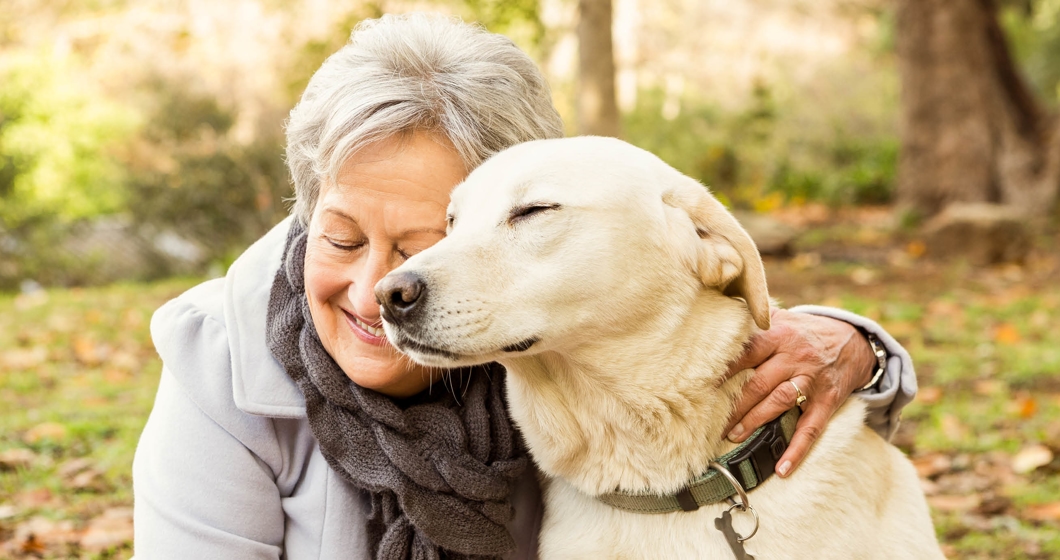
Seniors who welcome a wagging tail or a gentle purr into the living room often discover an unexpected surge of confidence. Whether living independently or inside memory care facilities, each individual finds that a pet’s steady presence turns ordinary hours into comforting rituals.
Researchers continue to link animal companionship to sharper thinking and calmer moods, yet the most persuasive proof still arrives every breakfast time when a furry friend waits by the chair. The following observations explain why that quiet partnership reinforces mental strength in later life.
Pets Spark Daily Purpose
A dog expecting a morning stroll or a cat anticipating an early meal instantly assigns meaningful tasks to the day. Seniors who might otherwise drift through slow mornings gain clear objectives—fill the bowl, tie the shoelaces, open the door. Completing those predictable duties reinforces a sense of competence that easily spreads to other areas, such as budgeting for groceries or learning new hobbies.
Each successful action feeds a narrative of self-reliance. Over time, these individuals observe that simple, repetitive victories form a sturdy scaffold for broader problem-solving, making them feel readier to meet fresh challenges. That chain of purpose gives the day structure.
Companionship Reduces Loneliness
Emotional isolation can weaken resilience, yet a pet erodes loneliness in ways technology cannot. The soft nudge of a wet nose or the rhythmic hum of a cat’s purr reminds seniors that affection requires no complicated conversation, only shared presence. Stroke after stroke of warm fur releases oxytocin, a hormone linked to bonding and stress reduction.
This biochemical lift acts like a daily antidote to anxious rumination. Moreover, pets inadvertently open doors to human connection: neighbors pause to admire a dog, grandchildren linger to feed fish, and friendly chats blossom. Such social sparks add another layer of emotional armor. Shared laughs over animal antics brighten horizons.
Animal Interaction Promotes Cognitive Exercise
Teaching a bird to mimic simple whistles or guiding a dog through basic commands resembles a portable brain-training program. Seniors must remember sequences, read subtle signals, and adjust techniques, all of which stimulate executive function. Even casual observation—recognizing when a rabbit needs fresh greens or noticing the shedding cycle of a long-haired cat—sharpens attention to detail.
Cognitive therapists often encourage these interactions because they pair mental effort with immediate, positive feedback from the animal. The result is a pleasant workout for memory, planning, and problem-solving wrapped in companionship rather than in worksheets. Animal challenges keep minds nimble.
Routine Care Encourages Physical Activity
Mind and body share an intimate feedback loop, and caring for a pet nudges both into healthier rhythms. Seniors who escort dogs around the block accumulate cardiovascular benefits that translate into improved mood and clearer thinking. Even smaller chores—refreshing water dishes, cleaning cages, brushing coats—require light movement that combats stiffness and lethargy.
Physical activity increases blood flow to the brain, delivering oxygen and nutrients essential to cognitive health. Furthermore, the cheerful expectations of a pet transform exercise from a duty into a shared adventure, fostering positive associations that motivate continued motion. Every completed lap or grooming session confirms capability.
Conclusion
A loyal animal cannot erase every challenge of aging, yet the steady heartbeat at a senior’s side often reignites inner strength. Purposeful mornings, affectionate companionship, cognitive engagement, and gentle exercise weave together to fortify mental resilience.
In countless households and care settings, a whiskered mentor or wagging coach quietly demonstrates that growth and joy remain accessible. For seniors seeking an approachable path to stronger minds, welcoming a pet may prove to be the most personal and rewarding therapy. Strength grows.
